 Delhi
Delhi
 Gurgaon
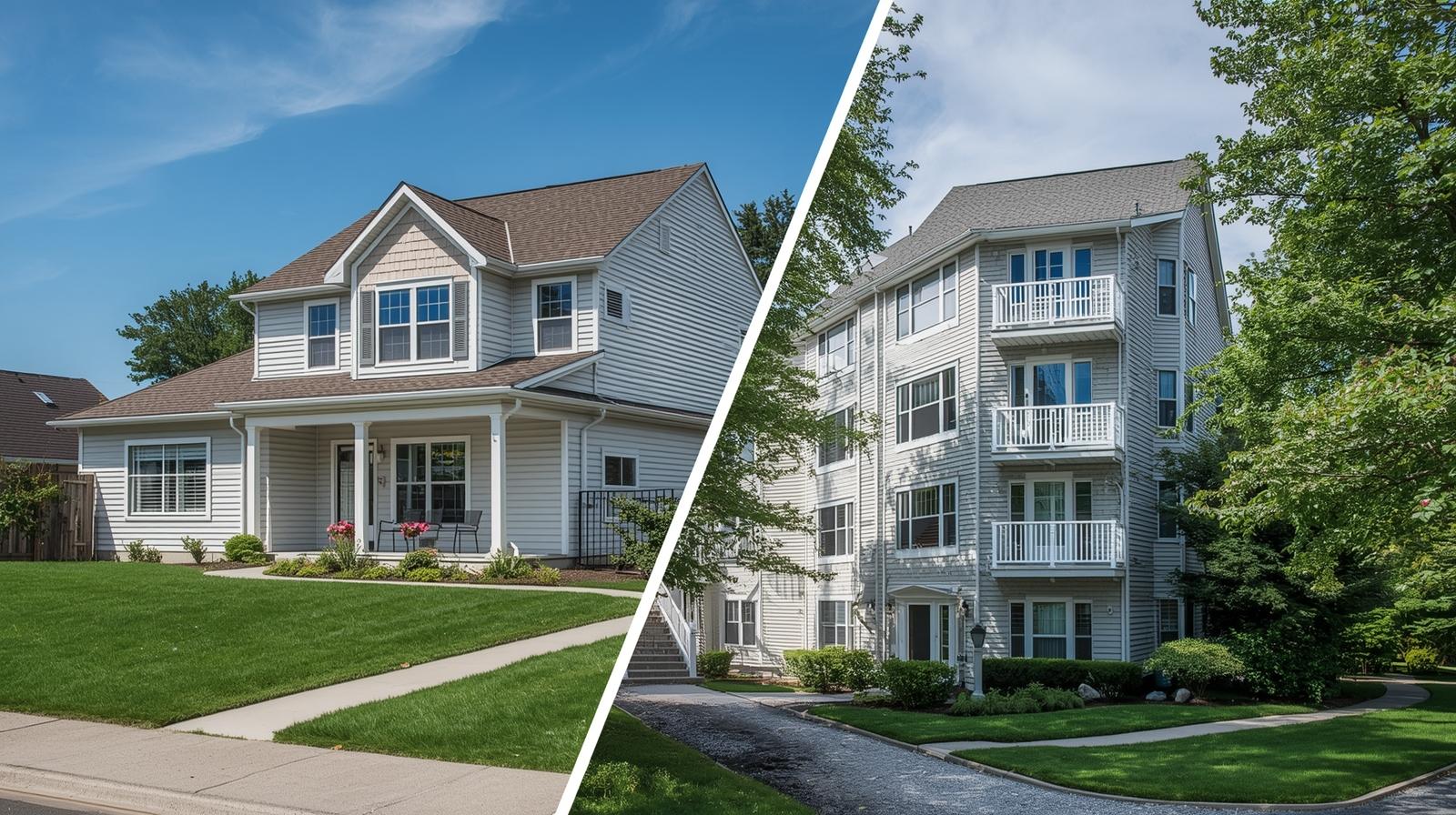
Residential vs Commercial Real Estate: Which Is the Better Investment?
Introduction
Real estate has always been one of the most trusted ways to build wealth in India. People invest in property for many reasons, from earning rental income to building long-term financial security. But sooner or later, most investors run into the same question:
residential vs commercial real estate, which one actually makes more sense?
Residential properties such as apartments, houses, or villas are generally seen as safer and easier to manage. Commercial properties like offices, retail shops, or business units are known for higher rental returns. Because of that, many investors eventually start wondering which real estate investment is better for their goals.
Both options have their own benefits and risks, and that's what we're going to explore in this blog. The right choice usually depends on budget, expected returns, location, and how much risk someone is comfortable taking.
Understanding Residential Real Estate
What Is Residential Real Estate?
Residential real estate includes properties meant for people to live in. This typically covers apartments, independent houses, villas, and residential plots.
In India, residential property is often the first type of real estate people invest in. It is easier to understand, easier to finance, and the demand for housing rarely disappears.
Advantages of Residential Property Investment
The following are the reasons why residential property is a great investment:
1. Lower entry cost: Compared to commercial spaces, residential properties usually require a smaller investment. This makes them more accessible for first-time buyers.
2. Easier financing: Banks are generally more comfortable offering home loans for residential properties. Interest rates are often lower, and approval is usually simpler.
3. Consistent demand: Housing is a basic need. As cities grow and populations increase, demand for residential property tends to stay strong.
4. Simpler rental process: Renting a residential unit is usually straightforward and does not involve complex lease structures.
Limitations of Residential Investment
Residential real estate also has a few downsides investors should be aware of.
1. Lower rental yields: Rental returns in India usually range between 2 and 4 percent per year.
2. Tenant turnover: Residential tenants may move more frequently, which means landlords occasionally deal with short vacancy periods.
3. Maintenance responsibility: Owners usually handle repairs and general upkeep of the property.
Understanding Commercial Real Estate
What Is Commercial Real Estate?
Commercial real estate refers to properties used for business purposes. This includes office spaces, retail shops, commercial complexes, and warehouses.
When evaluating commercial property vs residential property investment in India, commercial assets often stand out because they can generate higher rental income.
Advantages of Commercial Property Investment
1. Higher rental returns: Commercial properties typically generate rental yields between 6 and 10 percent, depending on location.
2. Longer lease agreements: Businesses usually sign longer lease contracts, which provide more stable income for property owners.
3. Professional tenants: Commercial tenants are usually companies or established businesses that operate under formal agreements.
4. Stronger appreciation in business zones: Commercial properties located in busy business districts often benefit from strong long-term appreciation.
Risks of Commercial Property Investment
Higher capital requirement: Commercial properties usually require a larger upfront investment.
Market sensitivity: Demand for office or retail space can fluctuate depending on the economy and business activity.
Vacancy risk: Finding a new tenant can take longer if a commercial space becomes vacant.
Rental Income Potential: Which One Pays More?
Rental income is often the biggest factor when choosing between property types.
Residential properties tend to provide steady but modest rental returns. Even during slower market phases, housing demand usually remains stable because people always need a place to live.
Commercial properties can generate higher rental income. Businesses are often willing to pay higher rents, especially in prime locations with strong business activity. Long-term lease agreements also help maintain consistent cash flow.
However, higher returns usually come with higher risk. Commercial properties may stay vacant longer if the market slows down. That is why the answer to which real estate investment is better often depends on an investor’s priorities and risk tolerance.
How Technology Is Changing Real Estate Investment Decisions?
AI-Powered Platforms: The New Force in Real Estate
Technology is slowly changing how people evaluate property investments. With the growth of PropTech platforms and data-driven tools, investors now have access to deeper market insights.
Modern platforms combine large datasets, artificial intelligence, and predictive modelling to analyse real estate markets more accurately.
These systems can provide:
- Real-time analysis of property prices and market trends
- Predictive forecasts for rental yields and future growth areas
- Locality performance metrics based on market data
- Automated valuation models for estimating property value
Platforms like LandsZo Intelligence analyse both historical and real-time data to help users compare locations, anticipate price appreciation, and understand demand patterns more clearly before investing.
For investors comparing residential and commercial properties, this kind of data-driven insight can make decision-making far more informed.
Factors to Consider Before Choosing Between Residential and Commercial Property
Before investing in any property, it is important to look at a few key factors.
1. Investment budget: Commercial properties usually require higher capital compared to residential investments.
2. Risk tolerance: Residential investments are generally more stable, while commercial properties may involve higher market risk.
3. Location demand: The success of any property investment depends heavily on location and local demand.
4. Financing availability: Loans for residential property are usually easier to obtain.
5. Investment horizon: Some investors focus on long-term appreciation while others prioritize rental income.
In Which Scenario Is Residential Property a Better Investment?
Residential property may be the better choice in situations such as:
- For first-time investors entering the market
- When the investment budget is limited
- When the goal is long-term stability
- In locations with strong housing demand
̌In Which Scenario Is Commercial Property a Better Investment?
Commercial real estate may be more suitable in cases like:
- When investors want higher rental returns
- When there is sufficient capital available
- In strong business districts or commercial hubs
- When long-term lease income is preferred
Takeaway
When looking at residential vs commercial real estate, there is no universal answer. Both property types can perform well when chosen carefully.
In the end, the better investment depends on what the investor values more. Some prioritize stability, while others aim for stronger income potential. Understanding these differences makes it much easier to choose the right direction.
If you want to learn more about real estate investments or need help choosing the right property, feel free to reach out.
We are always happy to help you explore your options and move forward with confidence.
Real estate has always been one of the most trusted ways to build wealth in India. People invest in property for many reasons, from earning rental income to building long-term financial security. But sooner or later, most investors run into the same question:
residential vs commercial real estate, which one actually makes more sense?
Residential properties such as apartments, houses, or villas are generally seen as safer and easier to manage. Commercial properties like offices, retail shops, or business units are known for higher rental returns. Because of that, many investors eventually start wondering which real estate investment is better for their goals.
Both options have their own benefits and risks, and that's what we're going to explore in this blog. The right choice usually depends on budget, expected returns, location, and how much risk someone is comfortable taking.
Understanding Residential Real Estate
What Is Residential Real Estate?
Residential real estate includes properties meant for people to live in. This typically covers apartments, independent houses, villas, and residential plots.
In India, residential property is often the first type of real estate people invest in. It is easier to understand, easier to finance, and the demand for housing rarely disappears.
Advantages of Residential Property Investment
The following are the reasons why residential property is a great investment:
1. Lower entry cost: Compared to commercial spaces, residential properties usually require a smaller investment. This makes them more accessible for first-time buyers.
2. Easier financing: Banks are generally more comfortable offering home loans for residential properties. Interest rates are often lower, and approval is usually simpler.
3. Consistent demand: Housing is a basic need. As cities grow and populations increase, demand for residential property tends to stay strong.
4. Simpler rental process: Renting a residential unit is usually straightforward and does not involve complex lease structures.
Limitations of Residential Investment
Residential real estate also has a few downsides investors should be aware of.
1. Lower rental yields: Rental returns in India usually range between 2 and 4 percent per year.
2. Tenant turnover: Residential tenants may move more frequently, which means landlords occasionally deal with short vacancy periods.
3. Maintenance responsibility: Owners usually handle repairs and general upkeep of the property.
Understanding Commercial Real Estate
What Is Commercial Real Estate?
Commercial real estate refers to properties used for business purposes. This includes office spaces, retail shops, commercial complexes, and warehouses.
When evaluating commercial property vs residential property investment in India, commercial assets often stand out because they can generate higher rental income.
Advantages of Commercial Property Investment
1. Higher rental returns: Commercial properties typically generate rental yields between 6 and 10 percent, depending on location.
2. Longer lease agreements: Businesses usually sign longer lease contracts, which provide more stable income for property owners.
3. Professional tenants: Commercial tenants are usually companies or established businesses that operate under formal agreements.
4. Stronger appreciation in business zones: Commercial properties located in busy business districts often benefit from strong long-term appreciation.
Risks of Commercial Property Investment
Higher capital requirement: Commercial properties usually require a larger upfront investment.
Market sensitivity: Demand for office or retail space can fluctuate depending on the economy and business activity.
Vacancy risk: Finding a new tenant can take longer if a commercial space becomes vacant.
Rental Income Potential: Which One Pays More?
Rental income is often the biggest factor when choosing between property types.
Residential properties tend to provide steady but modest rental returns. Even during slower market phases, housing demand usually remains stable because people always need a place to live.
Commercial properties can generate higher rental income. Businesses are often willing to pay higher rents, especially in prime locations with strong business activity. Long-term lease agreements also help maintain consistent cash flow.
However, higher returns usually come with higher risk. Commercial properties may stay vacant longer if the market slows down. That is why the answer to which real estate investment is better often depends on an investor’s priorities and risk tolerance.
How Technology Is Changing Real Estate Investment Decisions?
AI-Powered Platforms: The New Force in Real Estate
Technology is slowly changing how people evaluate property investments. With the growth of PropTech platforms and data-driven tools, investors now have access to deeper market insights.
Modern platforms combine large datasets, artificial intelligence, and predictive modelling to analyse real estate markets more accurately.
These systems can provide:
- Real-time analysis of property prices and market trends
- Predictive forecasts for rental yields and future growth areas
- Locality performance metrics based on market data
- Automated valuation models for estimating property value
Platforms like LandsZo Intelligence analyse both historical and real-time data to help users compare locations, anticipate price appreciation, and understand demand patterns more clearly before investing.
For investors comparing residential and commercial properties, this kind of data-driven insight can make decision-making far more informed.
Factors to Consider Before Choosing Between Residential and Commercial Property
Before investing in any property, it is important to look at a few key factors.
1. Investment budget: Commercial properties usually require higher capital compared to residential investments.
2. Risk tolerance: Residential investments are generally more stable, while commercial properties may involve higher market risk.
3. Location demand: The success of any property investment depends heavily on location and local demand.
4. Financing availability: Loans for residential property are usually easier to obtain.
5. Investment horizon: Some investors focus on long-term appreciation while others prioritize rental income.
In Which Scenario Is Residential Property a Better Investment?
Residential property may be the better choice in situations such as:
- For first-time investors entering the market
- When the investment budget is limited
- When the goal is long-term stability
- In locations with strong housing demand
̌In Which Scenario Is Commercial Property a Better Investment?
Commercial real estate may be more suitable in cases like:
- When investors want higher rental returns
- When there is sufficient capital available
- In strong business districts or commercial hubs
- When long-term lease income is preferred
Takeaway
When looking at residential vs commercial real estate, there is no universal answer. Both property types can perform well when chosen carefully.
In the end, the better investment depends on what the investor values more. Some prioritize stability, while others aim for stronger income potential. Understanding these differences makes it much easier to choose the right direction.
If you want to learn more about real estate investments or need help choosing the right property, feel free to reach out.
We are always happy to help you explore your options and move forward with confidence.
Comments (25)
1
1
1
1
1
1
1
1
1
1
1
1
1
1
1
1
1
1
1
1
1
1
1
1
1